Explore our premium bioimpedance diagnostics platforms engineered for commercial validation, gym integration, and clinical research.


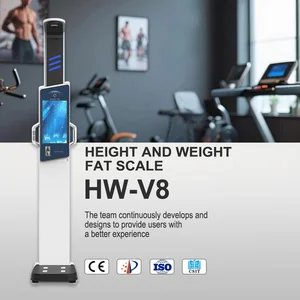
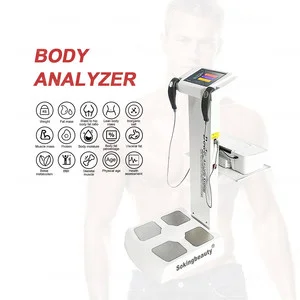
A Comprehensive Industry Whitepaper on the Evolution, Applications, and Architectural Landscape of Modern Bioimpedance Analysis
For decades, the global healthcare and fitness sectors relied heavily on Body Mass Index (BMI) as the foundational metric for evaluating metabolic health and body habitus. However, BMI fails to isolate skeletal muscle mass from fat mass, frequently misclassifying muscular athletes as "overweight" and individuals with normal weight but metabolic obesity (often referred to as "skinny fat") as "healthy". Today, clinical and commercial entities require deeper physiological indicators—such as visceral fat area, intracellular/extracellular water distributions, phase angle, and segmental tissue balance.
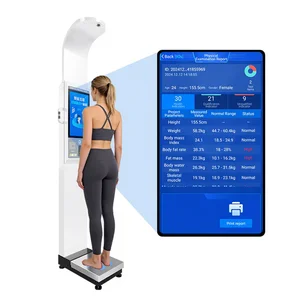
As a leading Bioelectrical Impedance Body Composition Analyzer Manufacturer & Supplier, we recognize that raw hardware precision and scientific-grade algorithmic validation are the pillars of authoritative health assessments. By utilizing Multi-Frequency Bioelectrical Impedance Analysis (MF-BIA) coupled with 8-polar tactile electrode arrays, modern analyzers provide rapid, non-invasive, and highly reproducible diagnostic scans that match DEXA (Dual-Energy X-ray Absorptiometry) correlation rates up to 99%. This whitepaper outlines the scientific frameworks, industry applications, operational standards, and manufacturing pipelines that shape the body composition ecosystem.
Unlike hydrostatic weighing or DEXA scans, which require massive infrastructural footprints, radiation exposure, or prolonged test sequences, BIA offers multi-segmental analysis within 30 to 60 seconds. This efficiency enables clinics, gym chains, and corporate wellness platforms to implement high-throughput screenings without compromising diagnostic validity.
Modern BIA technology functions on a basic biophysical premise: human tissues present varying levels of electrical impedance depending on their water content, electrolyte concentration, and cellular structural integrity. Lean tissues, composed predominantly of water and hydrated electrolytes, offer minimal resistance to high-frequency currents. Conversely, adipose tissue, bone structures, and lipid cells act as insulators, presenting high capacitive resistance.
Legacy BIA machines measured impedance using a single 50 kHz current. While sufficient for estimating total body water in standard populations, single-frequency models cannot penetrate cell membranes effectively, restricting measurement to the extracellular fluid compartment. Our professional systems employ Multi-Frequency testing across a spectrum of frequencies:
| Diagnostic Parameter | Clinical Definition | Primary Industrial Value |
|---|---|---|
| Total Body Water (TBW) | Sum of intracellular and extracellular fluid matrices. | Crucial for hydration tracking in renal care, sports medicine, and intensive care units. |
| Skeletal Muscle Mass (SMM) | Total skeletal muscle tissue distribution across limbs and trunk. | Primary parameter for evaluating hypertrophy, sarcopenia progression, and athletic programming. |
| Visceral Fat Area (VFA) | Adipose tissue accumulated around vital abdominal organs. | Critical metric for forecasting cardiovascular risk factors, type-2 diabetes, and metabolic syndrome. |
| Phase Angle (Φ) | Ratio of reactance to resistance; represents cellular membrane integrity. | Predictive biomarker for cellular vitality, oncology prognosis, nutritional health, and physical readiness. |
The global demand for commercial BIA devices has experienced exponential growth, driven by a paradigm shift towards preventative medicine, personal fitness telemetry, and data-driven clinical consultations. The market is segmented into three primary sectors:
In hospital networks, bariatric departments, and nephrology centers, BIA devices monitor extracellular fluid balances to manage hemodialysis, optimize post-operative nutrition plans, and diagnose sarcopenia in geriatric patient populations.
High-performance athletic centers, corporate gyms, and personal training studios utilize segmental fat and lean muscle analysis to track structural training progression, identify limb muscle imbalances, and tailor nutritional coaching protocols.
With the rapid proliferation of non-invasive body contouring technologies (such as cryolipolysis, radiofrequency fat reduction, and EMS muscle stimulation), aesthetic practitioners use BIA scans to visually document fat loss and muscle gain to validate patient treatments.
Hardware is only as powerful as the digital environment supporting it. Shanghai OneSe Beauty Co., Ltd. specializes in creating fully integrated ecosystem models. Beyond producing standalone body fat scanners, we offer complete digital architectures for corporate operators:
Shanghai OneSe Beauty Co., Ltd. is a professional manufacturer and technology solution provider specializing in intelligent skin analysis systems, beauty equipment, and digital aesthetic technologies. We are dedicated to the research, development, production, and global distribution of innovative beauty devices that help professionals deliver more accurate consultations and personalized treatment solutions.
With extensive experience in the beauty and aesthetics industry, OneSe Beauty has built a comprehensive product portfolio covering skin analyzers, hair and scalp analyzers, body analysis systems, and professional beauty equipment. By combining advanced imaging technology, intelligent software, and user-friendly design, we provide reliable solutions for beauty salons, aesthetic clinics, dermatology centers, training institutions, and skincare brands worldwide.
Innovation is at the core of our business. Our R&D team continuously develops new technologies and upgrades existing products to meet the evolving needs of the global beauty market. Through ongoing investment in product development and technology integration, we strive to provide smarter, more efficient, and data-driven beauty solutions.
Quality is a priority throughout every stage of our operation. We follow strict production standards and quality management procedures to ensure product consistency, reliability, and long-term performance. Our commitment to excellence has helped us establish strong partnerships with customers and distributors across multiple international markets.
At OneSe Beauty, we believe technology can transform the future of the beauty industry. By combining innovation, quality, and customer-focused service, we are committed to empowering beauty professionals with intelligent solutions that enhance efficiency, improve customer experiences, and support business growth.
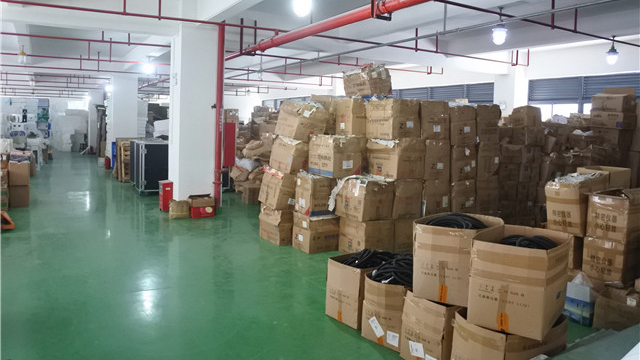
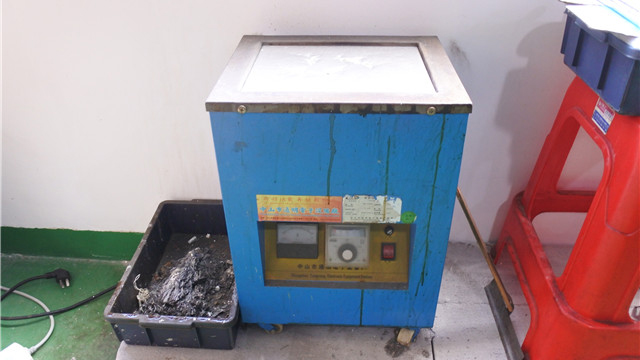
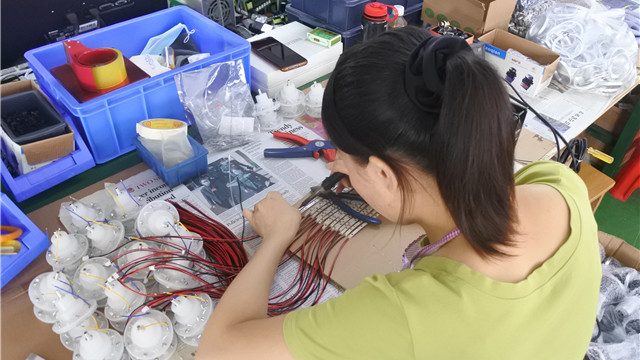
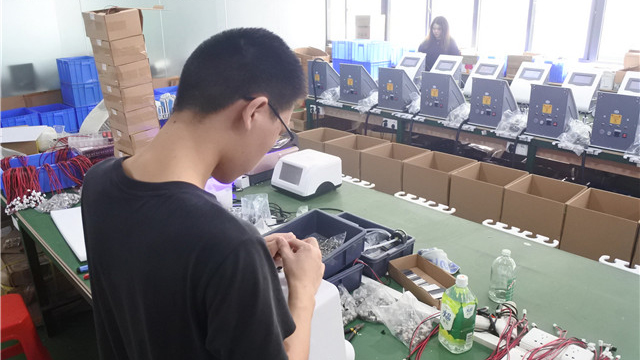
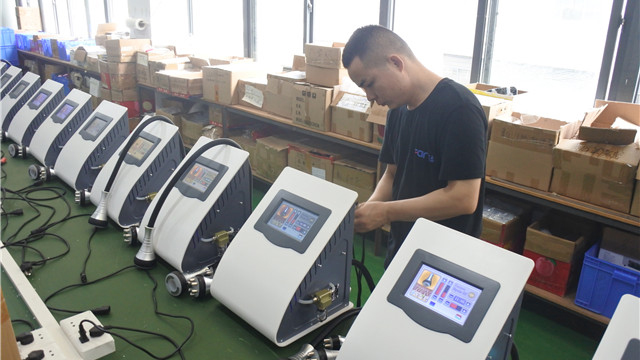
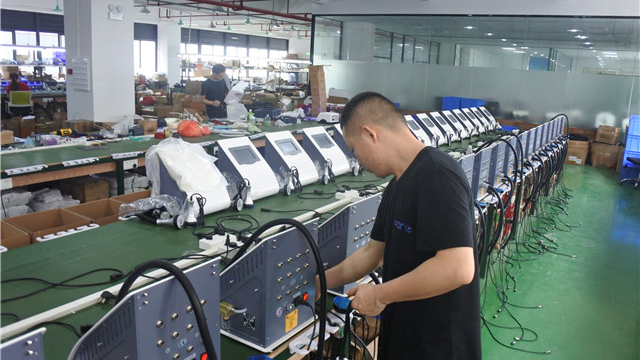
Our medical-grade facility follows strict ISO 13485 and ISO 9001 guidelines to guarantee the build quality and absolute precision of every BIA analyzer leaving our facilities. Below is an overview of our specialized engineering departments:


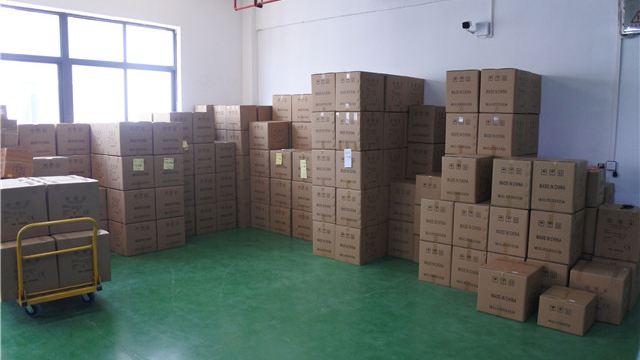
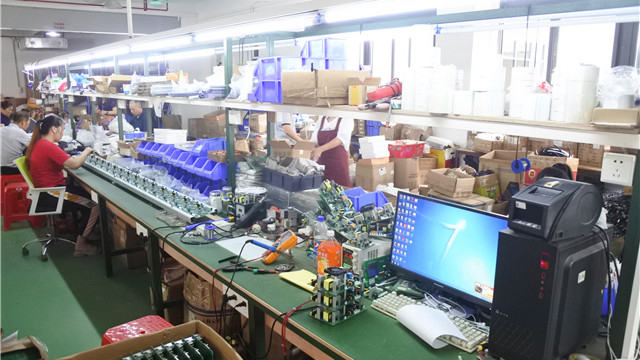
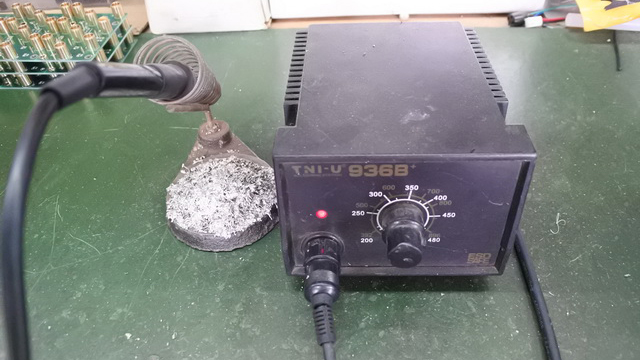
BIA analysis must adjust to localized body types, demographic data registries, and varying compliance rules. Our engineering models dynamically handle these environmental requirements:
Operating within health diagnostic spaces demands strict adherence to international safety laws. We maintain an intensive compliance schedule including:
MDR CE and FCC Certifications: Ensures all electromagnetic emissions and electric current levels remain far below human sensory limits and present zero health risks. ISO 13485: Confirms our production facilities conform to the strict medical-grade manufacturing rules required to produce analytical diagnostic hardware.
Technical and Warranty Protection: We establish localized service stations in major distribution zones to provide rapid hardware calibrations, board swaps, and device repairs, minimizing downtime for clinics and gym chains.
The future of body composition analysis lies in multi-modal integration. We are actively directing R&D investments toward several emerging technological trends:
DEXA is widely regarded as the clinical gold standard for body composition analysis due to its x-ray-based tissue determination. However, professional multi-frequency BIA systems achieve up to 98-99% correlation with DEXA, offering a fraction of the cost, no radiation exposure, and rapid testing times (under 60 seconds) without requiring specialized radiologist operations.
A 4-electrode system typically measures the lower body only (foot-to-foot) or upper body only (hand-to-hand), estimating the rest of the body based on statistical averages. An 8-polar tactile system uses 2 electrodes for each hand and foot, separating the body into five distinct segments: right arm, left arm, trunk, right leg, and left leg. This yields precise segmental analysis instead of mathematical estimations.
Phase Angle represents the delay between current and voltage caused by healthy cell membranes acting as capacitors. A higher phase angle indicates strong cellular integrity, hydrated cell membranes, and high vitality. A lower phase angle usually correlates with muscle fatigue, tissue damage, or clinical malnutrition, making it an essential diagnostic metric for chronic disease and athletic recovery tracking.
Yes. Because BIA devices pass mild electrical currents through the body, they should not be used by individuals with active implantable medical devices like cardiac pacemakers or defibrillators. While the currents are completely safe, they may interfere with the signaling of sensitive cardiac implants.
Absolutely. We provide robust SDK and API documentation for our products, allowing fitness clubs, clinic networks, and corporate wellness platforms to integrate BIA data directly with their customized management systems, EHRs, or proprietary applications.
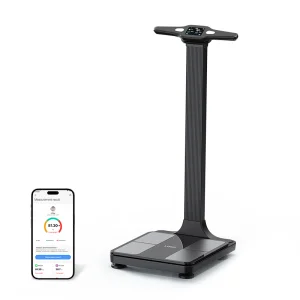
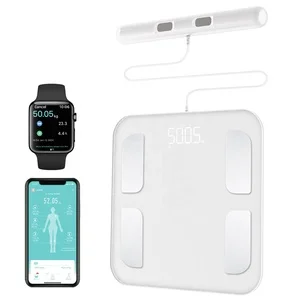
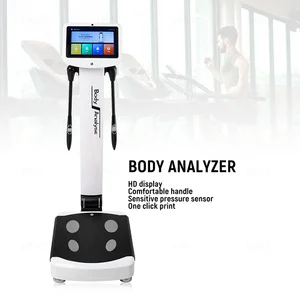
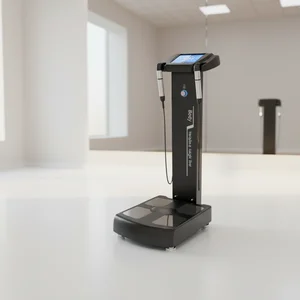
Advanced diagnostic platforms, multi-compartment medical body composition scales, and integrated smart health kiosks.
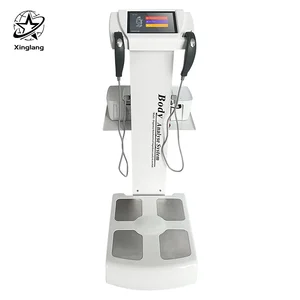


 OneSe Beauty