Understanding what does a scalp analyzer actually detect is crucial for anyone concerned about their hair health. These devices offer insights into various scalp conditions. They can identify issues like dandruff, excess oil, and inflammation. By analyzing the scalp, users can receive personalized care recommendations.
A scalp analyzer evaluates the skin's condition and the hair's density. It measures factors that influence hair growth. This includes oil production and the presence of bacteria. The data helps to form a clearer picture of scalp health. Users often seek this information to tailor hair care routines effectively.
However, not all analyses provide conclusive answers. Some factors can complicate results. For instance, environmental conditions and individual scalp responses may vary. Understanding these nuances is essential. It encourages users to think critically about their hair care strategies and consider professional advice when needed.
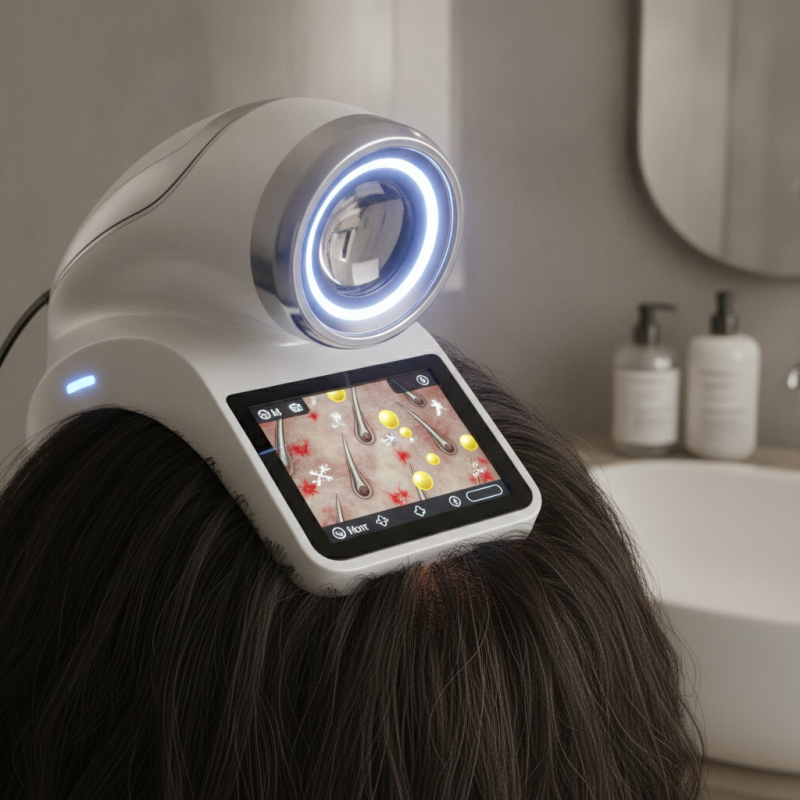
A scalp analyzer is an innovative tool designed to enhance hair care routines. It analyzes your scalp and hair conditions in detail. By using advanced technology, it provides insights into factors like oiliness, dryness, and overall scalp health. Understanding your scalp is essential for selecting the right products.
Tips: Regularly check your scalp conditions. This helps you adapt your hair care routine. Consider using a scalp analyzer once you notice changes in your hair health.
These devices often provide a visual representation of your scalp. This can reveal hidden issues many people overlook. For instance, mild irritation or excessive oil can contribute to hair loss. Awareness of such conditions can lead to better management.
Tips: Keep a healthy diet to support scalp health. Foods rich in vitamins can fortify hair follicles. Be mindful of how styling products affect your scalp. Regular evaluations are key to maintaining healthy hair.
| Insight Dimension | Description | Importance in Hair Care |
|---|---|---|
| Scalp Hydration | Measures the moisture levels of the scalp to assess dryness or oiliness. | Balanced hydration is essential for healthy hair growth and preventing dandruff. |
| Pore Size | Evaluates the size of scalp pores, which can indicate potential blockages or sebum production. | Understanding pore health helps in preventing scalp conditions like acne or folliculitis. |
| Follicle Density | Assesses the number of hair follicles in a given area, indicating potential hair loss or thinning. | Higher density correlates with fuller hair, while lower density may suggest hair loss concerns. |
| Scalp pH Levels | Tests the acidity or alkalinity of the scalp, influencing the scalp's overall health. | Maintaining a healthy pH supports optimal hair and scalp condition, preventing irritations. |
| Sebum Production | Measures the amount of natural oil produced by the scalp that can affect hair health. | Balanced sebum production is crucial for maintaining moisture and preventing dry scalp issues. |
: A scalp analyzer is a tool that examines scalp and hair conditions in detail. It provides insights on oiliness and dryness.
It helps you understand your scalp health. This knowledge aids in selecting the right hair products.
Common issues include dandruff, excessive oil, and dryness. These conditions can harm your scalp and hair health.
Balanced sebum production is crucial. Too much oil leads to greasy hair, while too little causes dryness and irritation.
A healthy scalp should have a pH of 4.5 to 5.5. This range prevents harmful bacteria growth and supports scalp health.
A healthy diet rich in vitamins supports hair follicles. Poor nutrition could lead to scalp problems over time.
Regular evaluations are essential. If problems persist, consider consulting a dermatological expert for tailored advice.
Minimize products used and practice regular exfoliation. This helps manage dryness and irritation on the scalp.
Overactive sebaceous glands contribute to oiliness. Using gentle cleansers helps restore balance and reduce oil production.
Use hydrating treatments and adjust shower water temperature. These minor adjustments have significant impacts on scalp health.
A scalp analyzer is an innovative tool used in hair care that provides crucial insights into the health of the scalp. It works by measuring key parameters such as sebum production and scalp pH levels, which are vital for maintaining optimal scalp conditions. Understanding these factors helps in identifying common scalp issues, like dryness or excess oil, and their impacts on hair growth.
What does a scalp analyzer actually detect? It reveals critical information regarding scalp health, which is closely linked to hair growth. Recent studies highlight the importance of a balanced scalp environment for optimal hair performance. By integrating scalp analysis into personalized hair care regimens, individuals can effectively address specific scalp concerns and enhance their overall hair health.

 OneSe Beauty