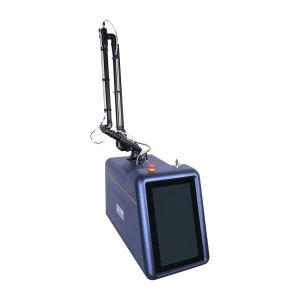
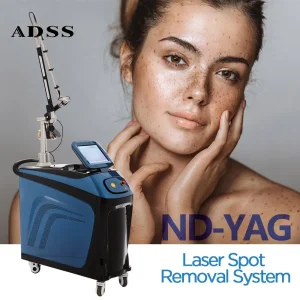
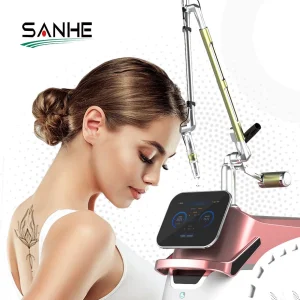
Engineered for high patient throughput, maximum safety on Asian skin types (Fitzpatrick III-V), and precise pigment targeting.
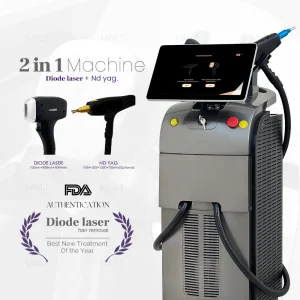
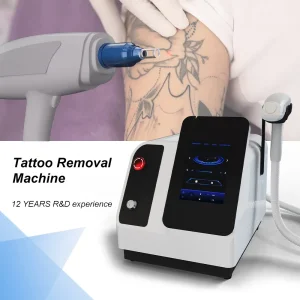
Tokyo, as a global hub of medical tourism and advanced dermatology, is witnessing a massive surge in demand for laser tattoo removal. Historically, societal norms surrounding tattoos in Japan (traditionally associated with Yakuza subculture and restricted access to public *onsens* and fitness centers) created a steady, quiet market for ink removal. Today, the landscape is shifting dramatically. A younger generation of Tokyoites, heavily influenced by global fashion and modern body art, is opting for tattoos. Concurrently, career changes, corporate onboarding requirements, marriage, and family expectations continue to drive the demand for clean, complete ink clearance.
For dermatological clinics in Minato-ku, Ginza, Shinjuku, and Shibuya, having access to medical-grade, state-of-the-art laser machinery is no longer optional. The modern Japanese aesthetic consumer demands maximum clearance in the fewest possible sessions, minimal pain, and zero post-inflammatory hyperpigmentation (PIH). Crucially, Asian skin (predominantly Fitzpatrick Skin Types III, IV, and V) carries a higher density of epidermal melanin. Applying improper pulse widths or wavelengths can result in thermal damage, permanent hypopigmentation, or keloid scarring. This makes precise laser calibration and wavelength versatility essential requirements for any aesthetic medical practice.
The global laser manufacturing industry is segmented by energy delivery methods, primary optical mediums, and pulse control systems. Traditionally, Q-Switched Nd:YAG lasers (operating at 1064nm and 532nm with nanosecond pulse durations) were the industry gold standard. These machines rely on photothermal breakdown, heating ink particles until they fracture.
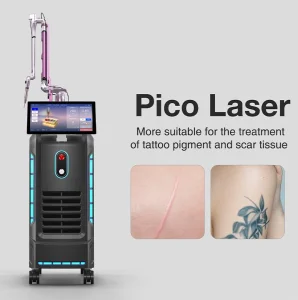
However, the advent of Picosecond lasers (with pulse durations down to 350-450 picoseconds) has revolutionized the market. Picosecond pulses generate a powerful photoacoustic effect. Instead of relying solely on heat, the rapid energy delivery creates mechanical shockwaves that shatter target pigments into micro-particles, resembling fine dust. These tiny particles are easily engulfed and cleared by the lymphatic system. In Tokyo, where patients demand quick recovery and minimal downtime, Picosecond systems are increasingly preferred.
Relies on micro-heating inside the dermis. Best for solid black inks on lighter skin, but requires longer recovery periods and more clinical sessions overall.
Relies on mechanical pressure waves. Highly effective for stubborn pigments (red, blue, green) and safe for darker skin types with significantly less thermal risk.
| Technology Parameter | Nanosecond Q-Switched Nd:YAG | Picosecond Nd:YAG / Alexandrite |
|---|---|---|
| Pulse Width | 5ns - 20ns (Nanoseconds) | 350ps - 750ps (Picoseconds) |
| Disruption Mechanism | Photothermal (Heat-driven fragmentation) | Photoacoustic (Mechanical pressure shockwave) |
| Efficacy on Complex Ink | Moderate (Struggles with green, blue, yellow) | Excellent (Multi-wavelength resolves all colors) |
| Epidermal Safety | Higher risk of blistering & PIH on Asian skin | Extremely safe, lower thermal footprint |
| Average Sessions Required | 10 - 15 sessions | 4 - 8 sessions |
For medical group buyers in Tokyo, importing clinical lasers directly from Chinese manufacturing centers offers clear economic and operational advantages. Leading Chinese medical laser factories have matured beyond basic assembly plants into vertically integrated technology innovators. By sourcing from China, Tokyo clinics and distributors gain:
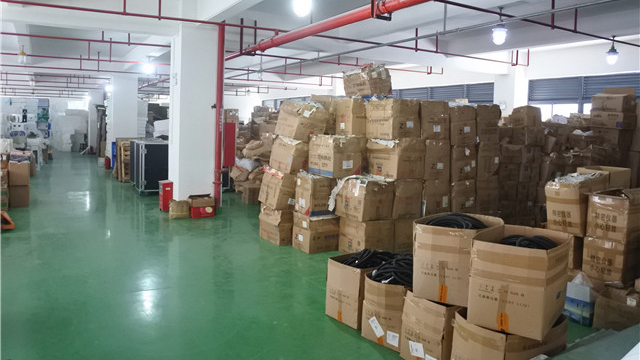
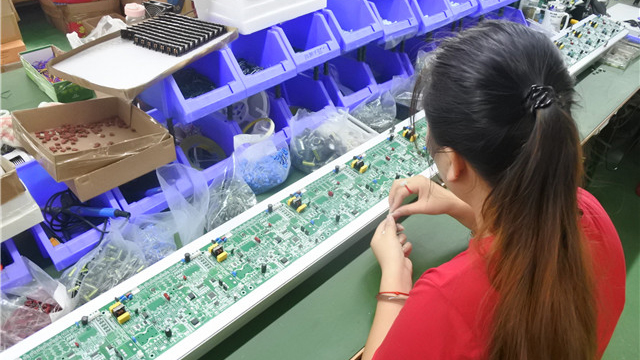
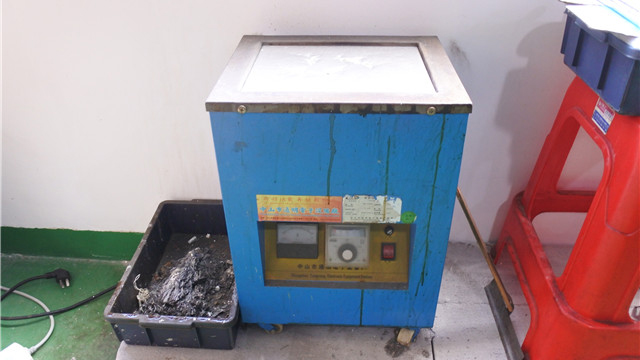
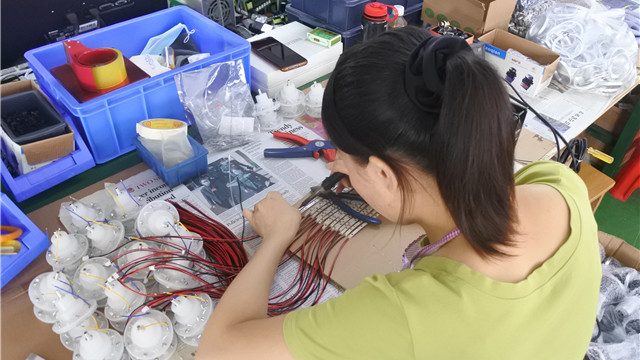
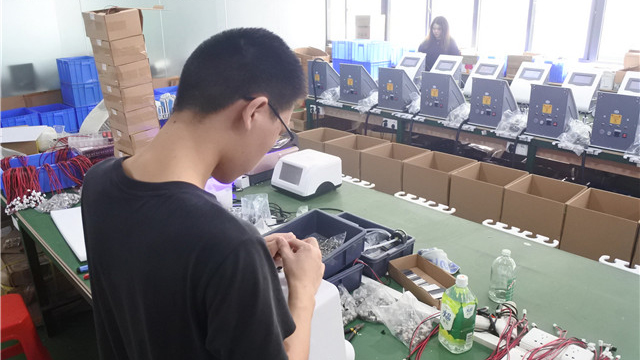
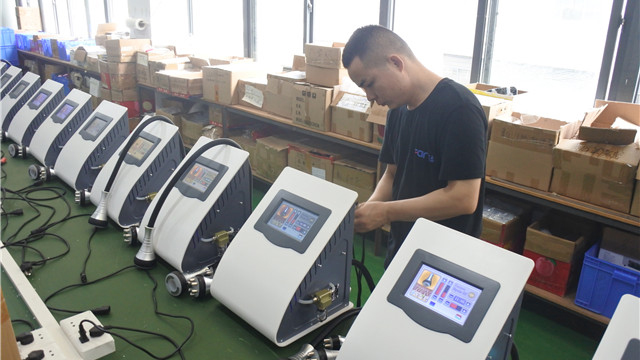
Empowering Beauty Through Innovation and Technology. A look inside our state-of-the-art manufacturing facility.
Shanghai OneSe Beauty Co., Ltd. is a professional manufacturer and technology solution provider specializing in intelligent skin analysis systems, beauty equipment, and digital aesthetic technologies. We are dedicated to the research, development, production, and global distribution of innovative beauty devices that help professionals deliver more accurate consultations and personalized treatment solutions.
With extensive experience in the beauty and aesthetics industry, OneSe Beauty has built a comprehensive product portfolio covering skin analyzers, hair and scalp analyzers, body analysis systems, and professional beauty equipment. By combining advanced imaging technology, intelligent software, and user-friendly design, we provide reliable solutions for beauty salons, aesthetic clinics, dermatology centers, training institutions, and skincare brands worldwide.
Innovation is at the core of our business. Our R&D team continuously develops new technologies and upgrades existing products to meet the evolving needs of the global beauty market. Through ongoing investment in product development and technology integration, we strive to provide smarter, more efficient, and data-driven beauty solutions.
Quality is a priority throughout every stage of our operation. We follow strict production standards and quality management procedures to ensure product consistency, reliability, and long-term performance. Our commitment to excellence has helped us establish strong partnerships with customers and distributors across multiple international markets.
At OneSe Beauty, we believe technology can transform the future of the beauty industry. By combining innovation, quality, and customer-focused service, we are committed to empowering beauty professionals with intelligent solutions that enhance efficiency, improve customer experiences, and support business growth.
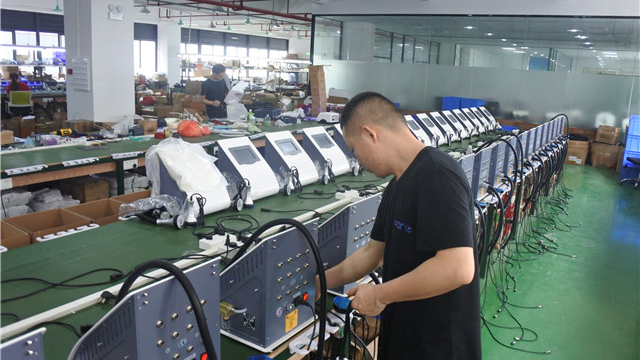
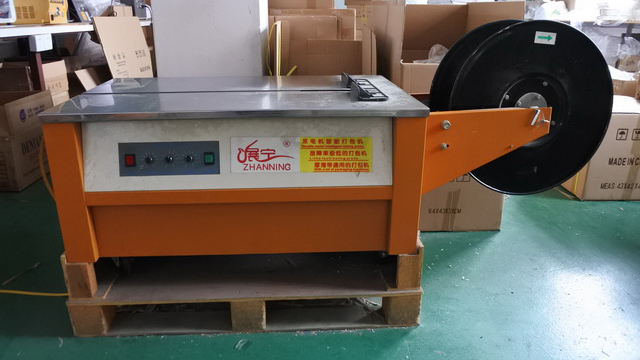

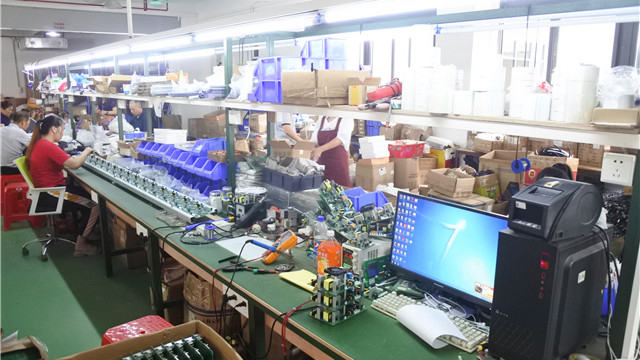
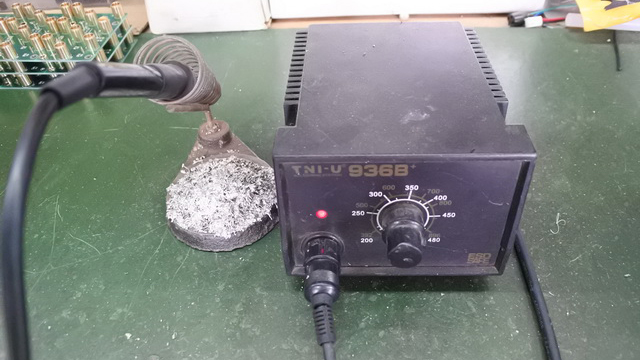
In typical Tokyo-based clinical environments, tattoo removal protocols must balance efficiency with patient safety. Because skin tones in East Asia carry higher baseline melanin, dermatologists face a delicate line between pigment clearing and thermal injury.
For instance, in clinics in Shibuya, many young professionals present with dark black ink on their wrists, ankles, or shoulders, requesting rapid clearance for upcoming career moves. The standard protocol utilizes a 1064nm wavelength Q-Switched laser for the first 3 sessions, targetting deep dermal ink. As the pigment fades, doctors often transition to a 755nm or a Picosecond 532nm handpiece for superficial color shading. Utilizing advanced skin analyzers allows clinics to track dermal pigment density and adjust energy levels (Fluence, measured in J/cm²) dynamically, improving patient outcomes and boosting clinical reputation.
Wholesale buyers from Japan, Korea, Europe, and the US look for specific manufacturing capabilities when selecting a laser factory partner:
Discover our comprehensive range of high-power medical laser platforms designed for clinics, medical spas, and high-volume aesthetic facilities.
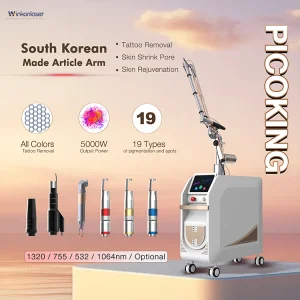
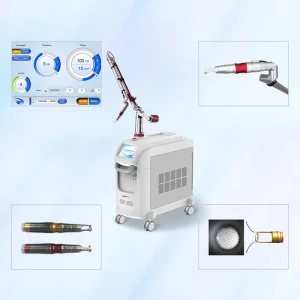
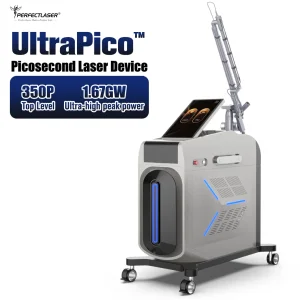
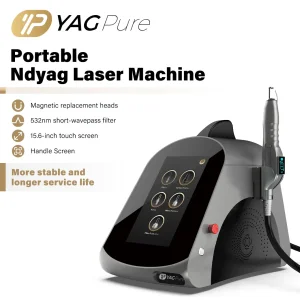
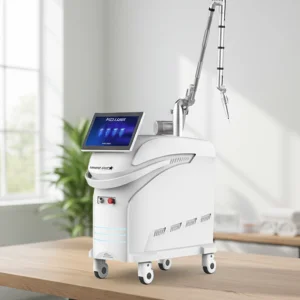
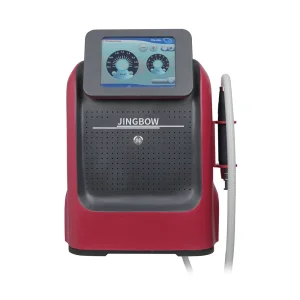
Expert insights on regulatory compliance, technical operation, and procurement best practices for the Japanese and global markets.
 OneSe Beauty